JUN TAKAHASHI
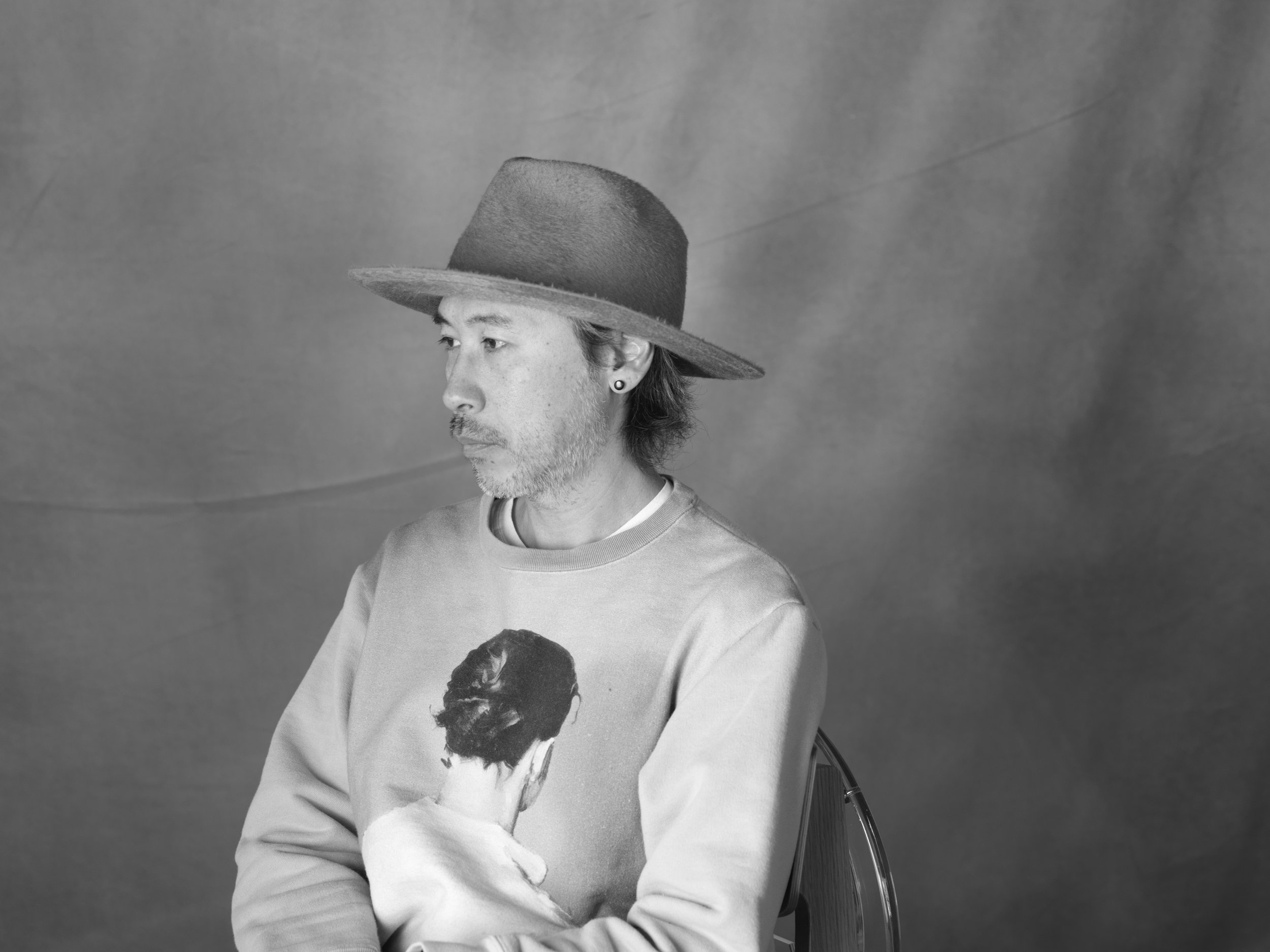
Jun Takahashi, photo credit: Yoshie Tominaga.
Jun Takahashi (born 1969) in Kiryu, Gunma, Japan, is the founder and creative director of the influential UNDERCOVER. He began the fashion brand in 1990 while still studying at Bunka Fashion College. In 1994, he presented his debut at the Tokyo Fashion Week, followed by major accolades such as the Mainichi Fashion Grand Prix (New Face in 1997, First Prize in 2001 and 2013). In 2002, Takahashi presented UNDERCOVER at the Paris Fashion Week (for 2003 Spring/Summer). Pitti Uomo invited the designer to present the SS Men’s Collection, the first men’s runway show in 2009. In 2015, Takahashi curated the “Labyrinth of UNDERCOVER 25 year retrospective,” at the Tokyo Opera City Art Gallery. Pieces from 24SS WOMEN'S collection were exhibited at the Metropolitan Museum of Art Costume Institute's 2024 exhibition and featured across the catalogue.
LUCIJA ŠUTEJ: Graphic design has been intertwined with the identity of Undercover from the start. In your youth which magazines and zines’ graphic design language was revolutionary for you?
JUN TAKAHASHI: I was strongly influenced by TETZ from WTAPS, and SKATETHING. From TETZ, I learned the balance of typography, and from SKATETHING, I learned the freedom of illustration-based graphics.
LŠ: Did you ever create artists’ book?
JT: More than ten years ago, I published an artist book featuring collaborative works created together with the artist MADSAKI.
LŠ: You also curated the 4th edition of publication titled A Magazine Curated By, where one of the sections was titled ART-VERTISING. Could you walk us through its creation?
JT: The idea started from thinking it would be interesting if I designed all the advertisements for the sponsoring clients myself.
LŠ: Your early collections were shown at Tokyo Fashion Week, and later expanded to Paris Fashion Week. What excites you most about the Tokyo and Paris fashion scenes respectively?
JT: Tokyo is rooted in street culture, while Paris represents mode. The difference between the two is significant.
LŠ: You spoke of merging the menswear and womenswear, is that still on the table?
JT: I don’t think I will put that idea into practice yet.
LŠ: I would be interested to hear of your opinions on Anti-Fashion. How would you define it?
JT: When it comes to the clothes I personally wear, I prefer designs stripped of overt design elements, so in that sense, the term “anti-fashion” applies. For me, anti-fashion means clothing that avoids excessive design, focuses on practicality, blends naturally into daily life, and is comfortable to wear.
LŠ: What are your thoughts on the current challenges of the luxury fashion industry at large? What do you see as limitations and opportunities for change? Undercover is an independent brand - what were some of the compromises you refused to make?
JT: I am still in the process of exploring and figuring things out.
LŠ: Undercover's spirit is collaborative. Across different collections you worked with artists such as Cindy Sherman and Helen Verhoeven, whose motifs appeared across garments as prints. How do you choose artists to work with?
JT: My criteria are whether I personally like the artist’s work and whether it can be easily translated into clothing.
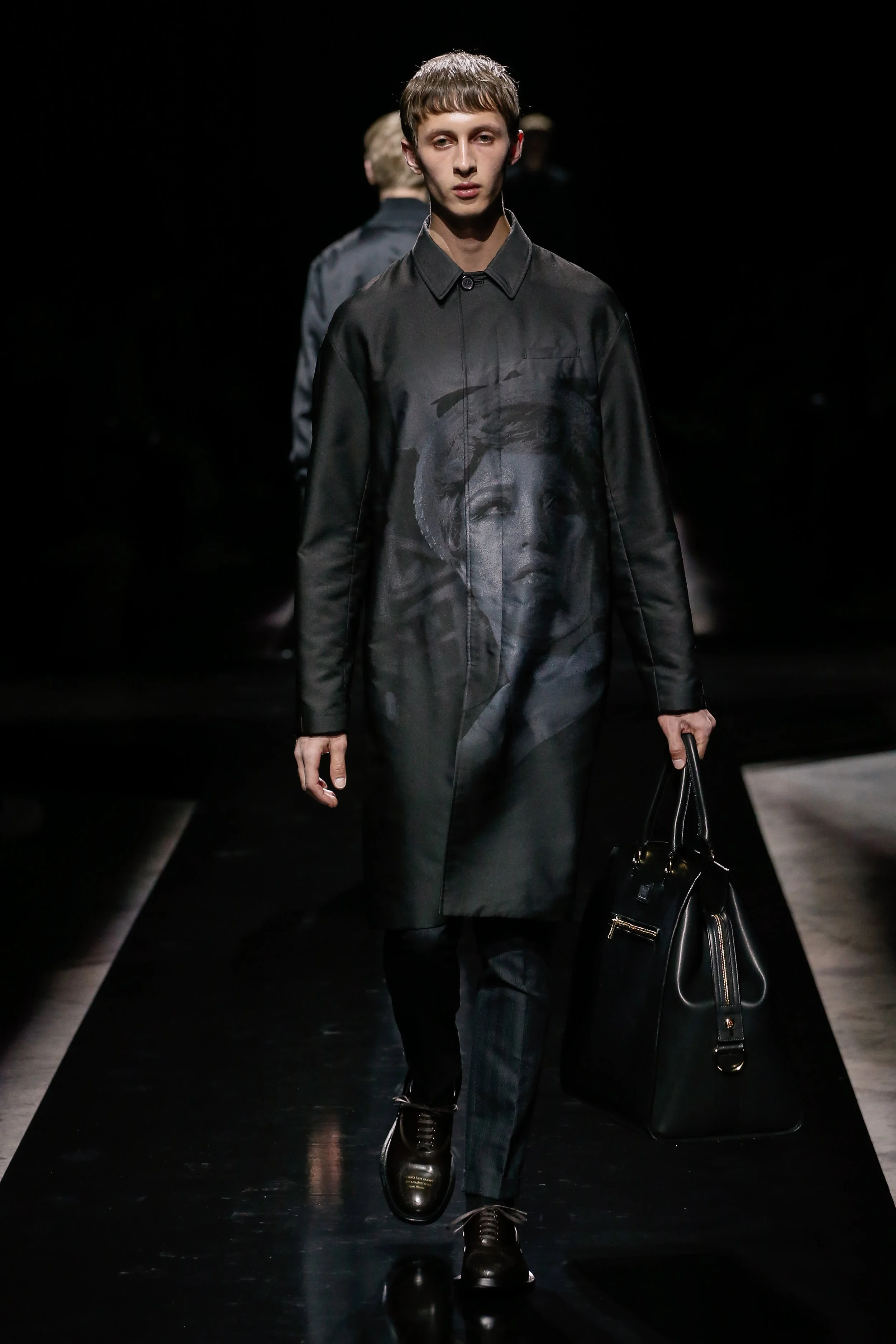
UNDERCOVER Artist collaborations, 20SS MEN’S with Cindy Sherman. Photo: Valerio Mezzanotti / NOWFASHION. Courtesy of the artist (© Cindy Sherman) and Metro Pictures, New York.
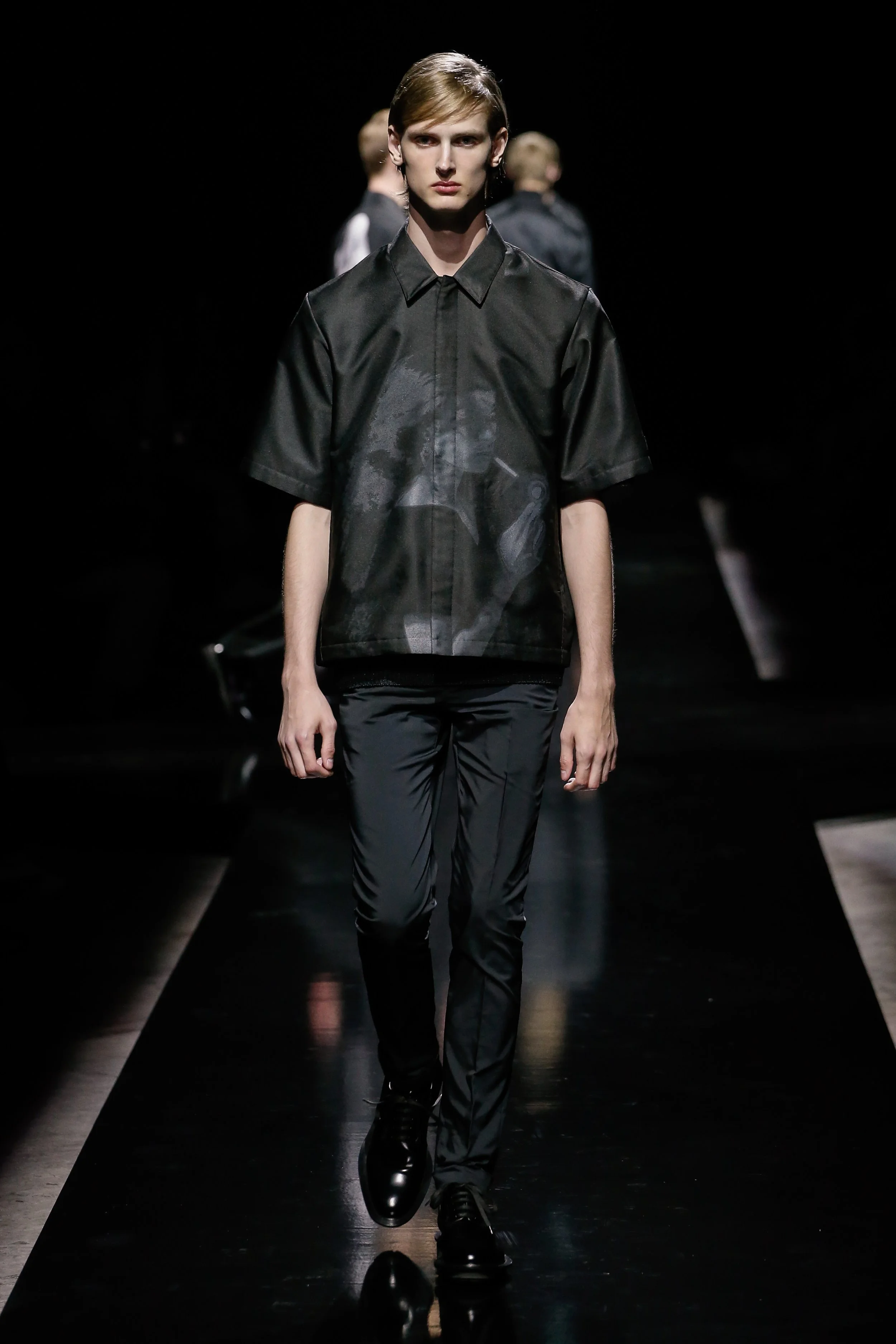
UNDERCOVER Artist collaborations, 20SS MEN’S with Cindy Sherman. Photo: Valerio Mezzanotti / NOWFASHION. Courtesy of the artist (© Cindy Sherman) and Metro Pictures, New York.
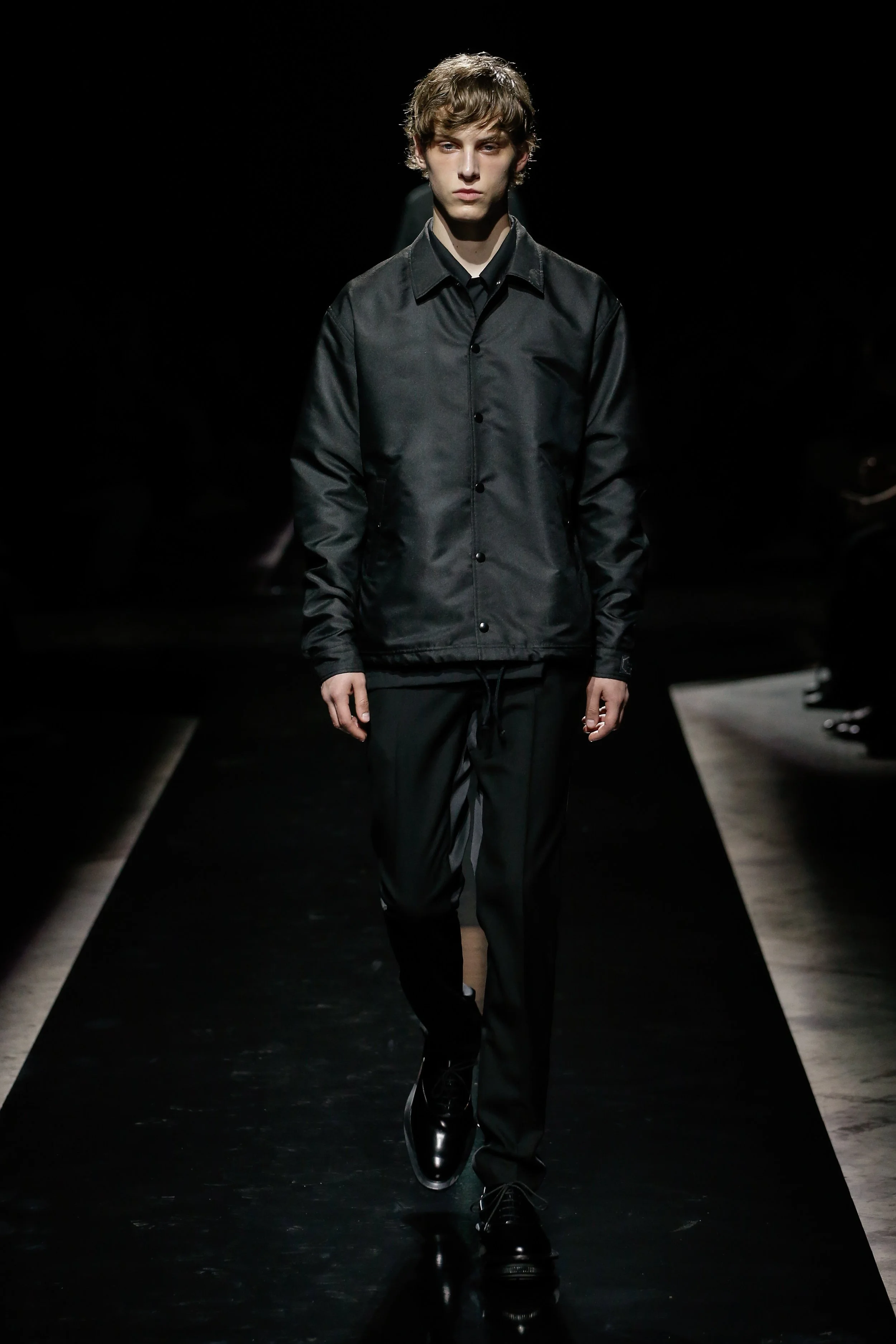
UNDERCOVER Artist collaborations, 20SS MEN’S with Cindy Sherman. Photo: Valerio Mezzanotti / NOWFASHION. Courtesy of the artist (© Cindy Sherman) and Metro Pictures, New York.
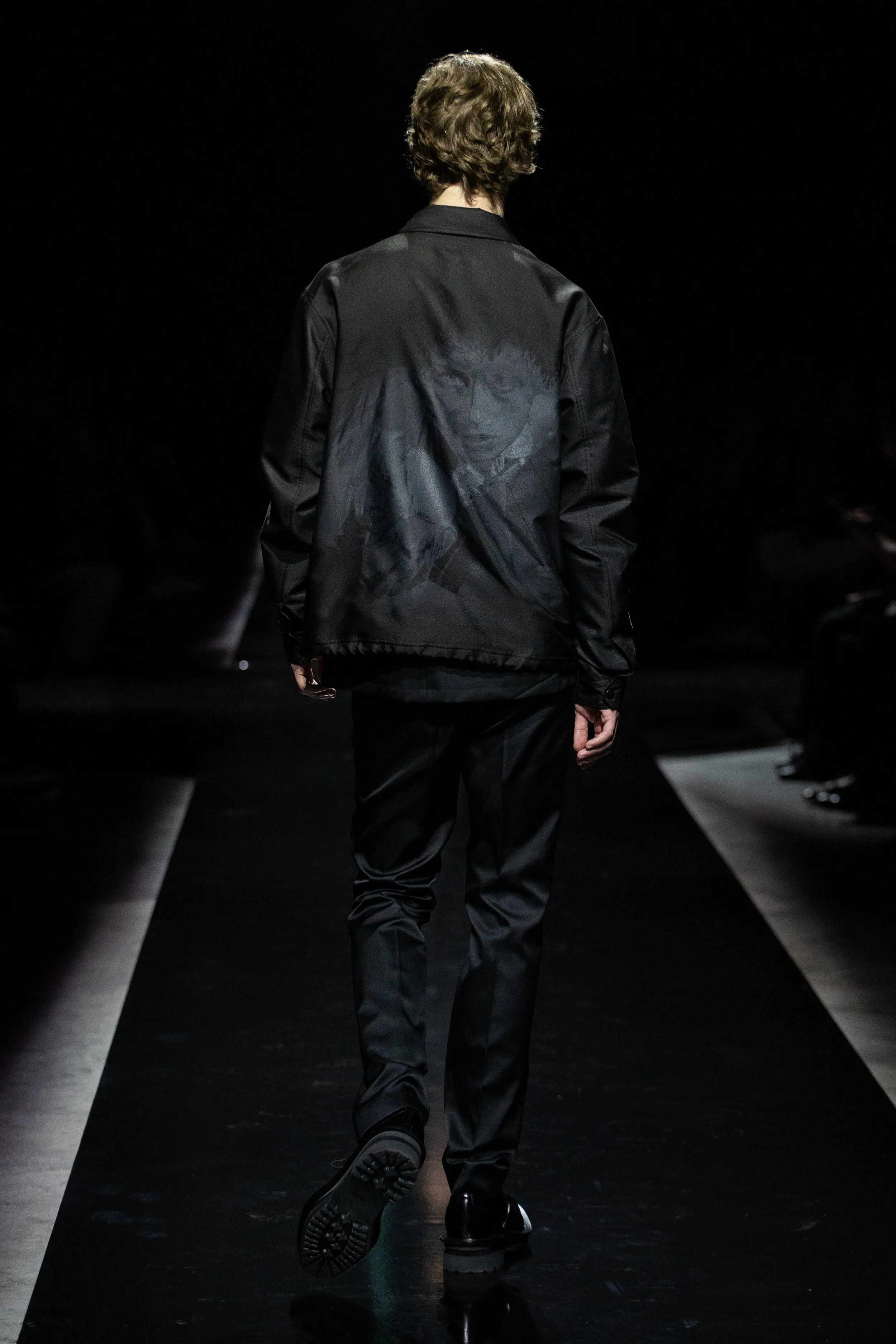
UNDERCOVER Artist collaborations, 20SS MEN’S with Cindy Sherman. Photo: Valerio Mezzanotti / NOWFASHION. Courtesy of the artist (© Cindy Sherman) and Metro Pictures, New York.
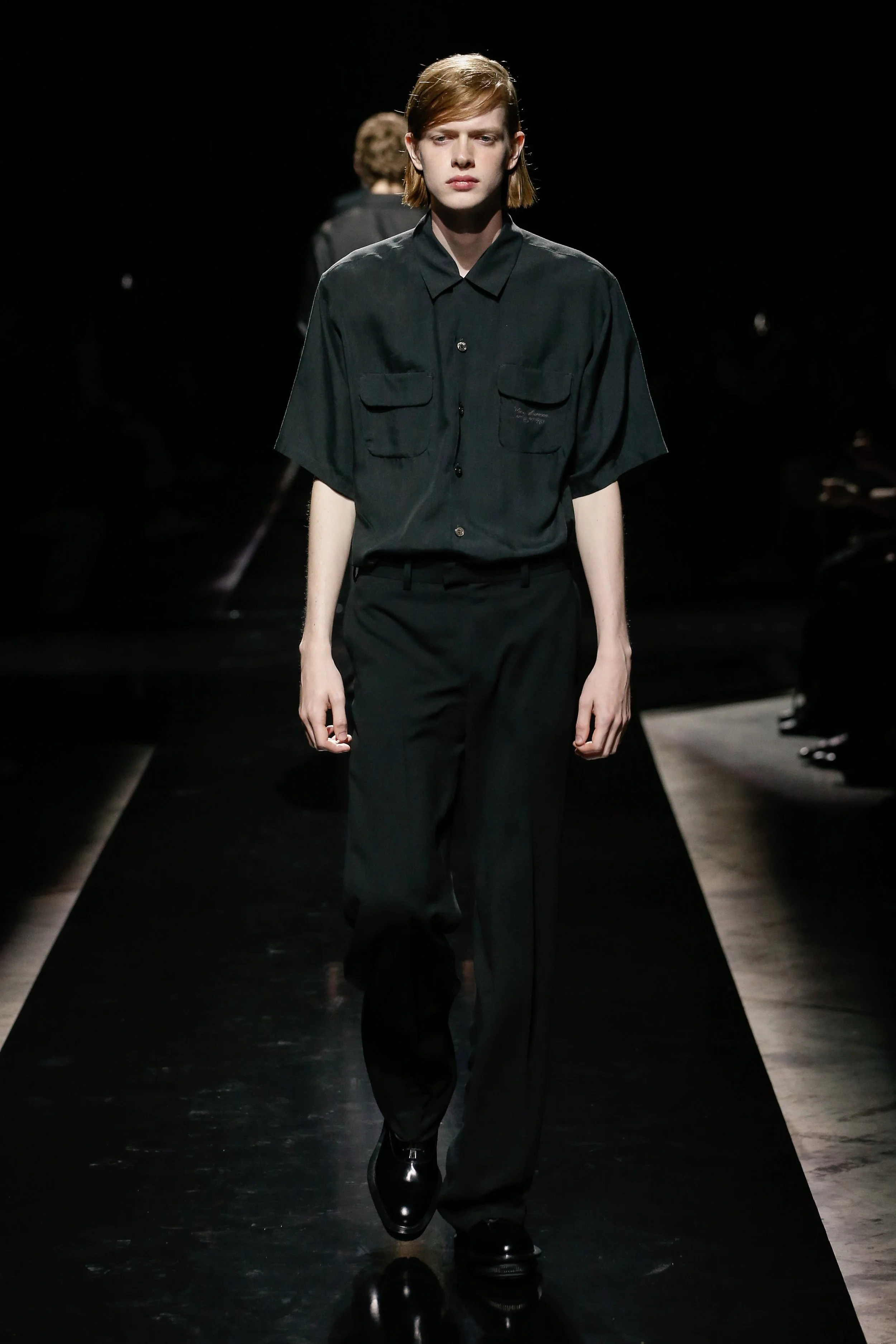
UNDERCOVER Artist collaborations, 20SS MEN’S with Cindy Sherman. Photo: Valerio Mezzanotti / NOWFASHION. Courtesy of the artist (© Cindy Sherman) and Metro Pictures, New York.
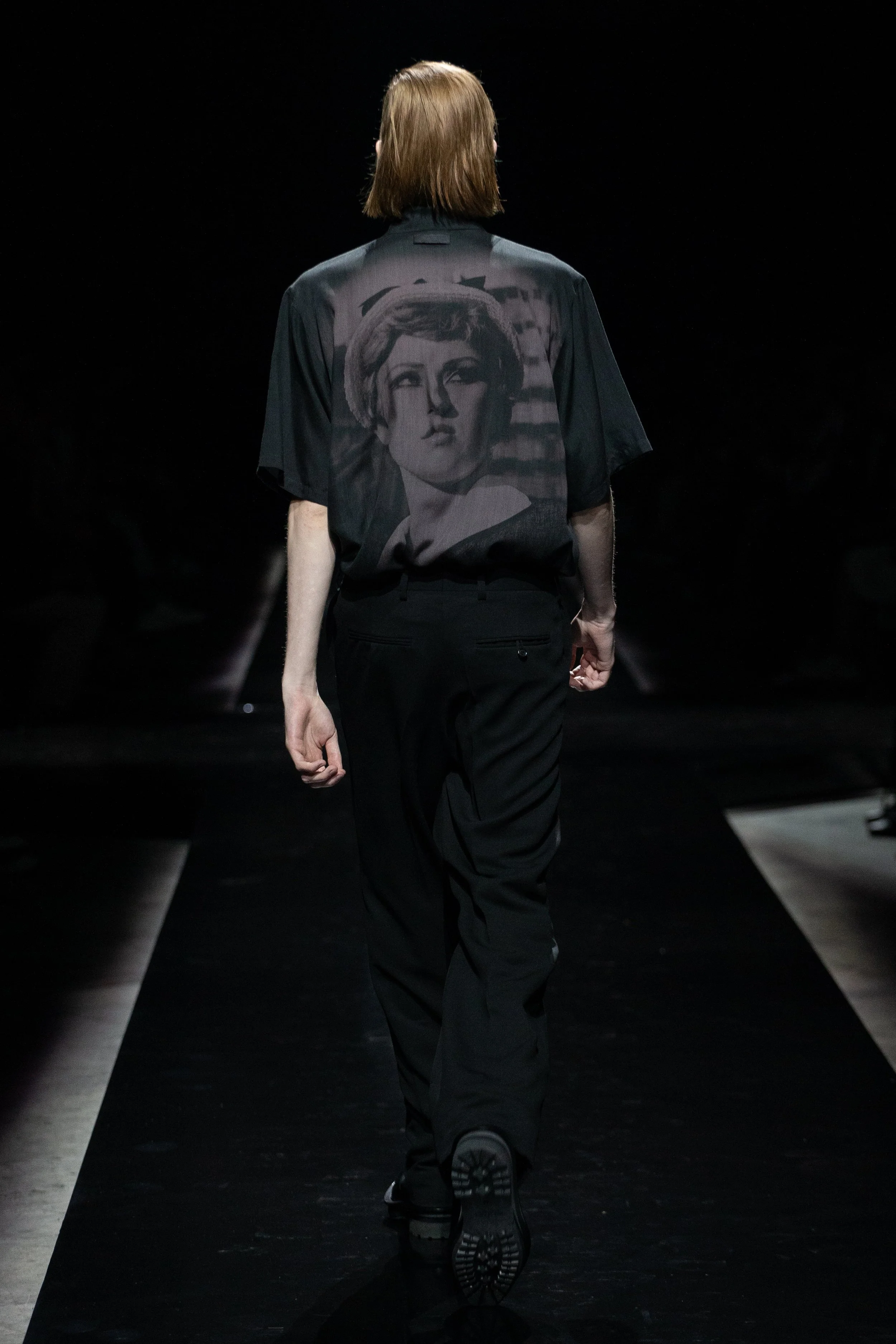
UNDERCOVER Artist collaborations, 20SS MEN’S with Cindy Sherman. Photo: Valerio Mezzanotti / NOWFASHION. Courtesy of the artist (© Cindy Sherman) and Metro Pictures, New York.
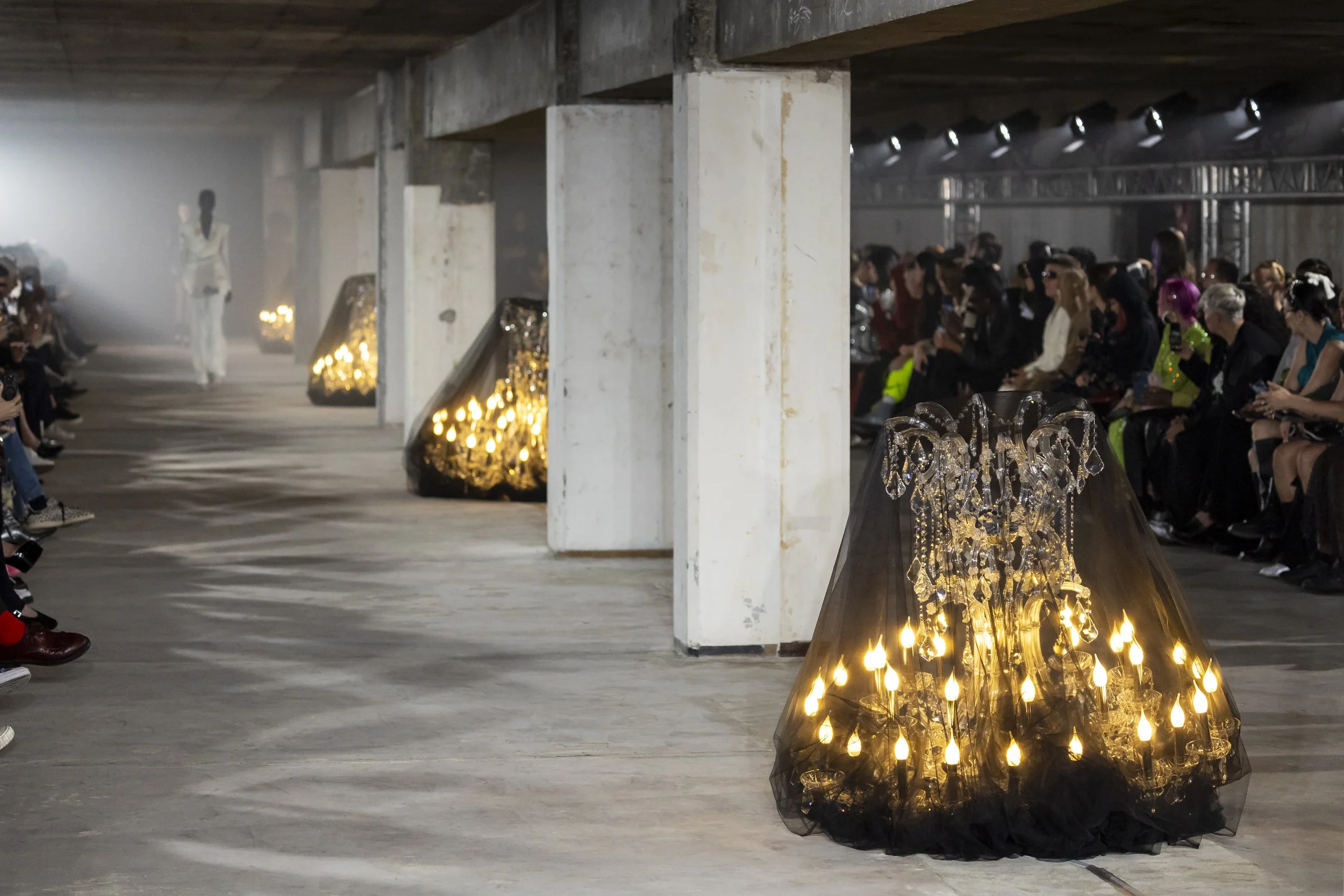
UNDERCOVER Artist collaborations, 24SS WOMEN’S with Neo Rauch, photo: Valerio Mezzanotti / NOWFASHION.
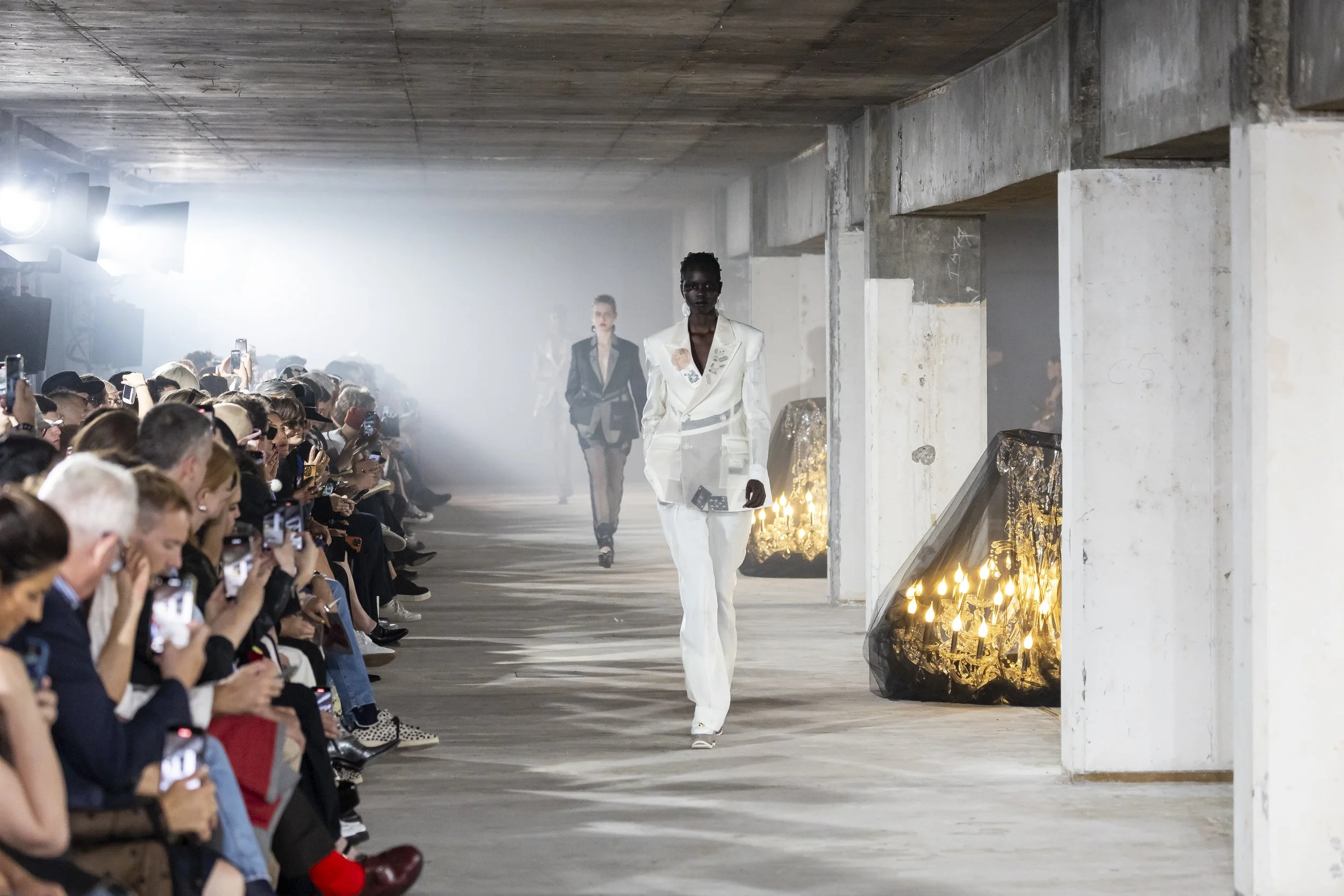
UNDERCOVER Artist collaborations, 24SS WOMEN’S with Neo Rauch, photo: Valerio Mezzanotti / NOWFASHION.
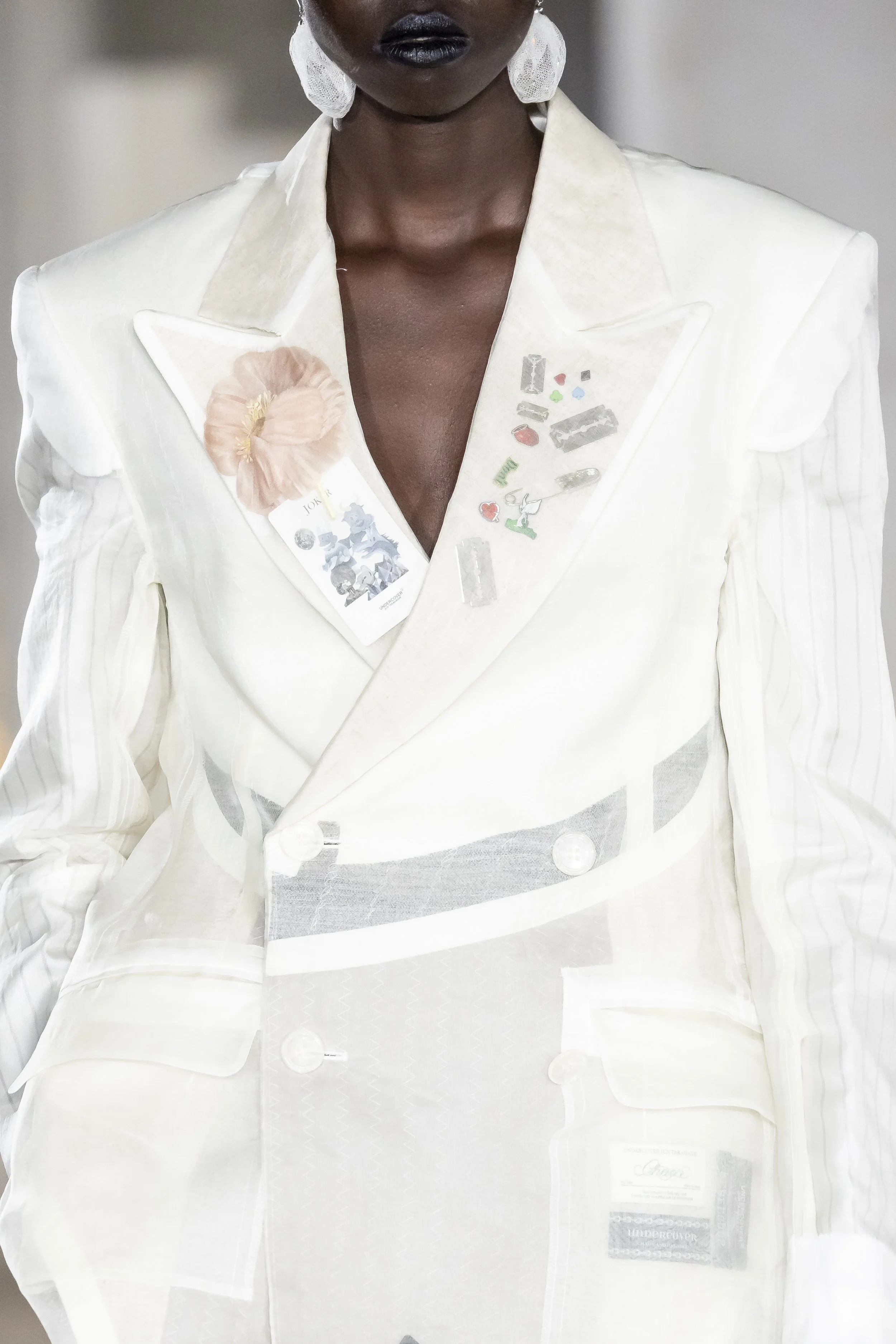
UNDERCOVER Artist collaborations, 24SS WOMEN’S with Neo Rauch, photo: Valerio Mezzanotti / NOWFASHION.
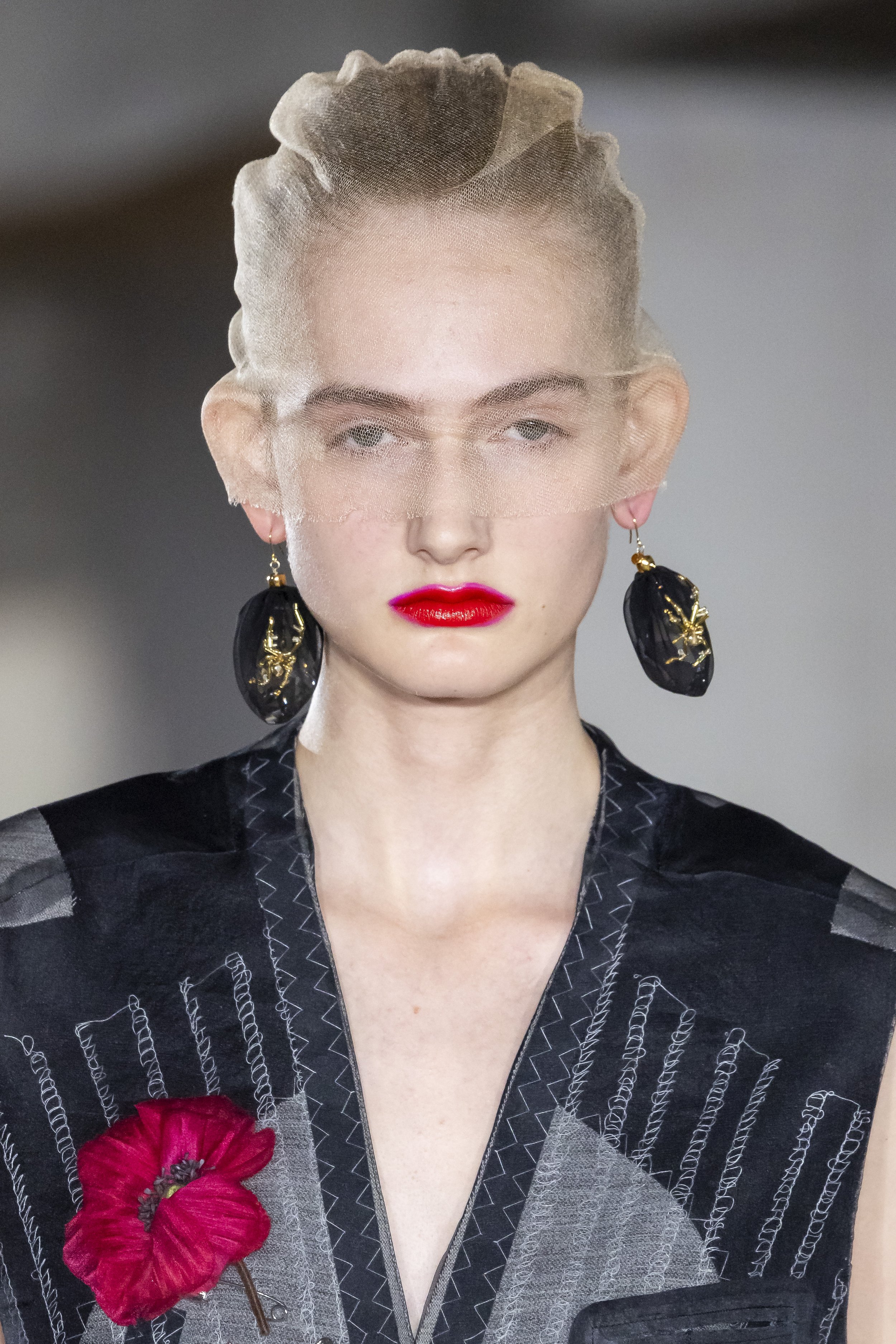
UNDERCOVER Artist collaborations, 24SS WOMEN’S with Neo Rauch, photo: Valerio Mezzanotti / NOWFASHION.
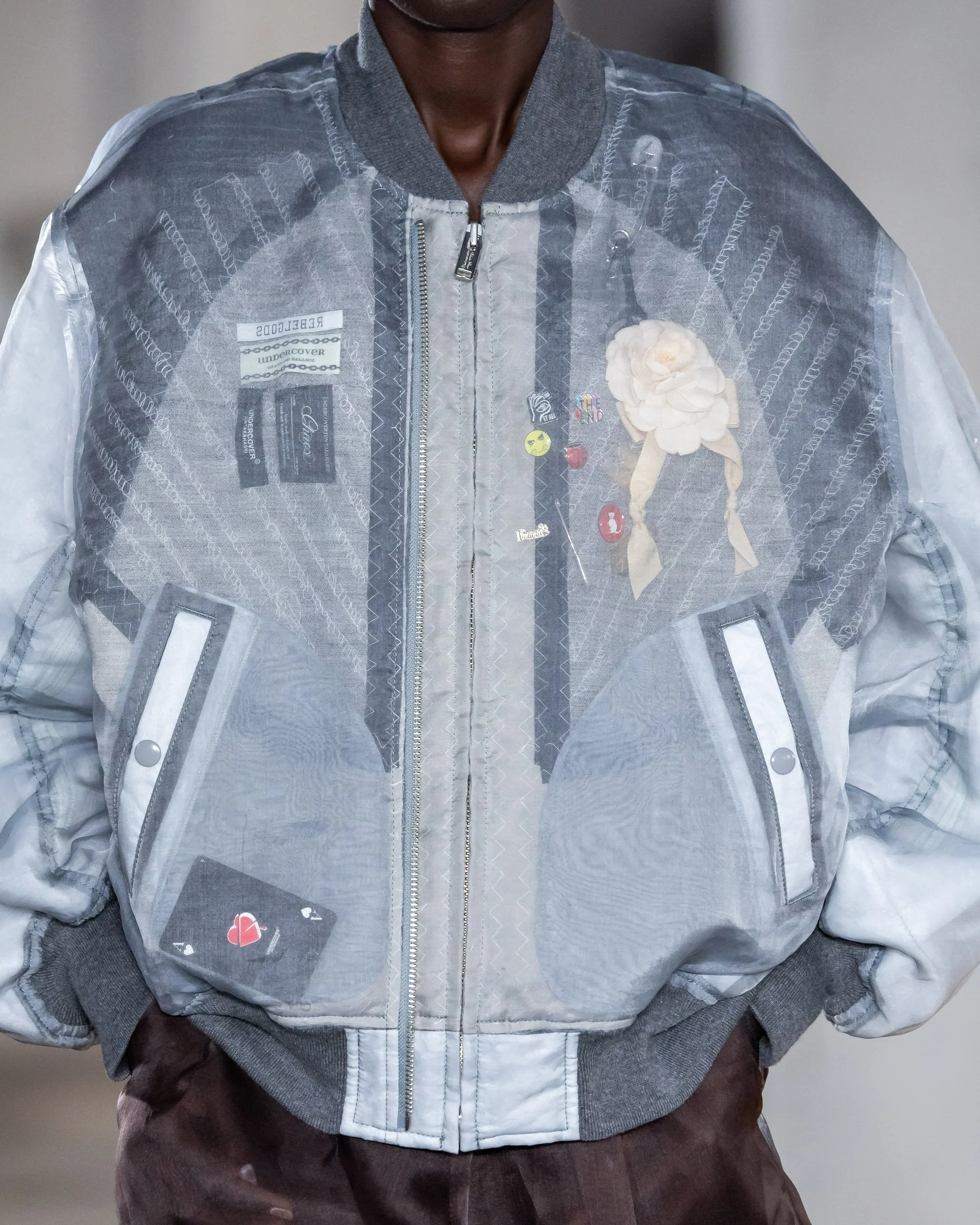
UNDERCOVER Artist collaborations, 24SS WOMEN’S with Neo Rauch, photo: Valerio Mezzanotti / NOWFASHION.
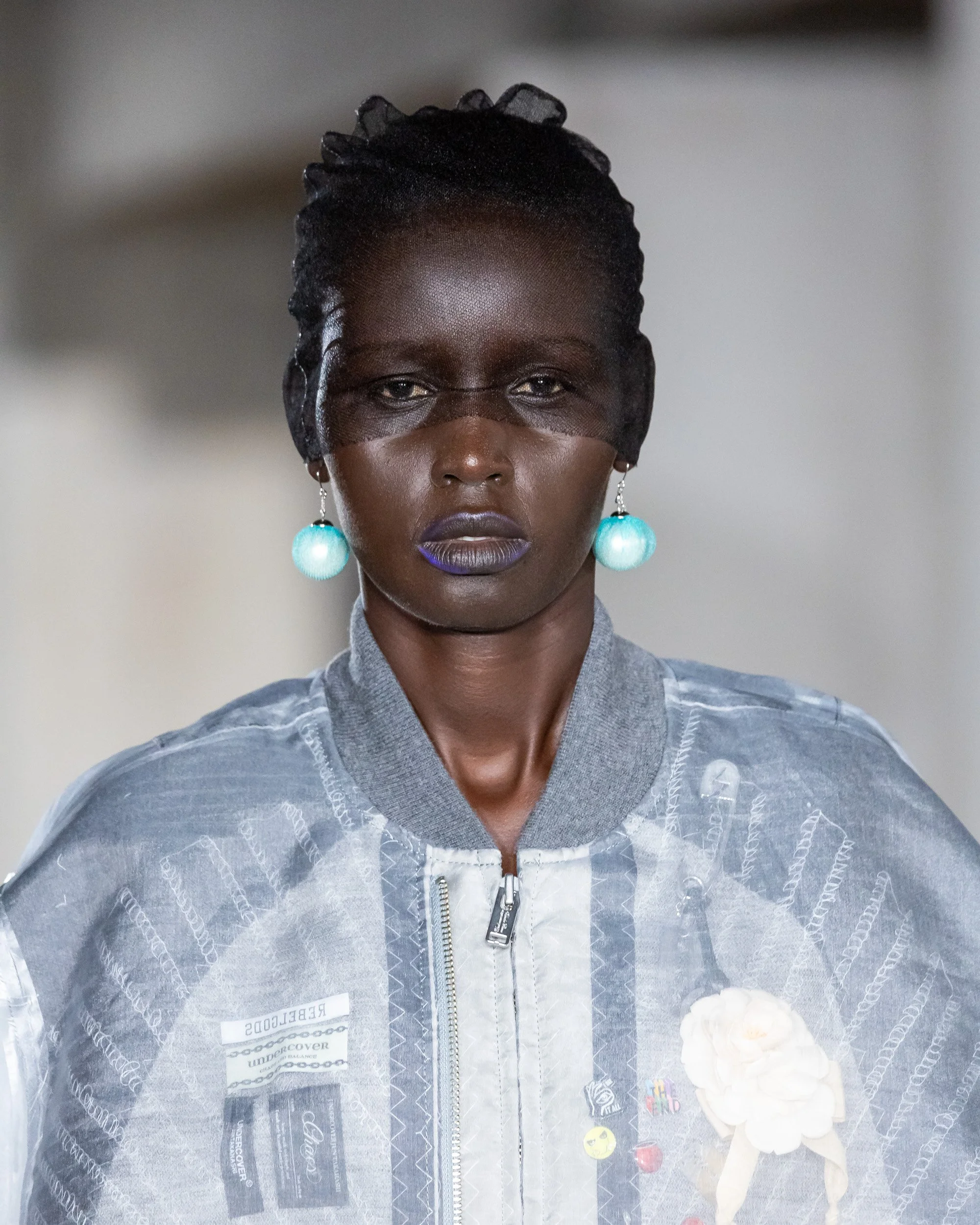
UNDERCOVER Artist collaborations, 24SS WOMEN’S with Neo Rauch, photo: Valerio Mezzanotti / NOWFASHION.
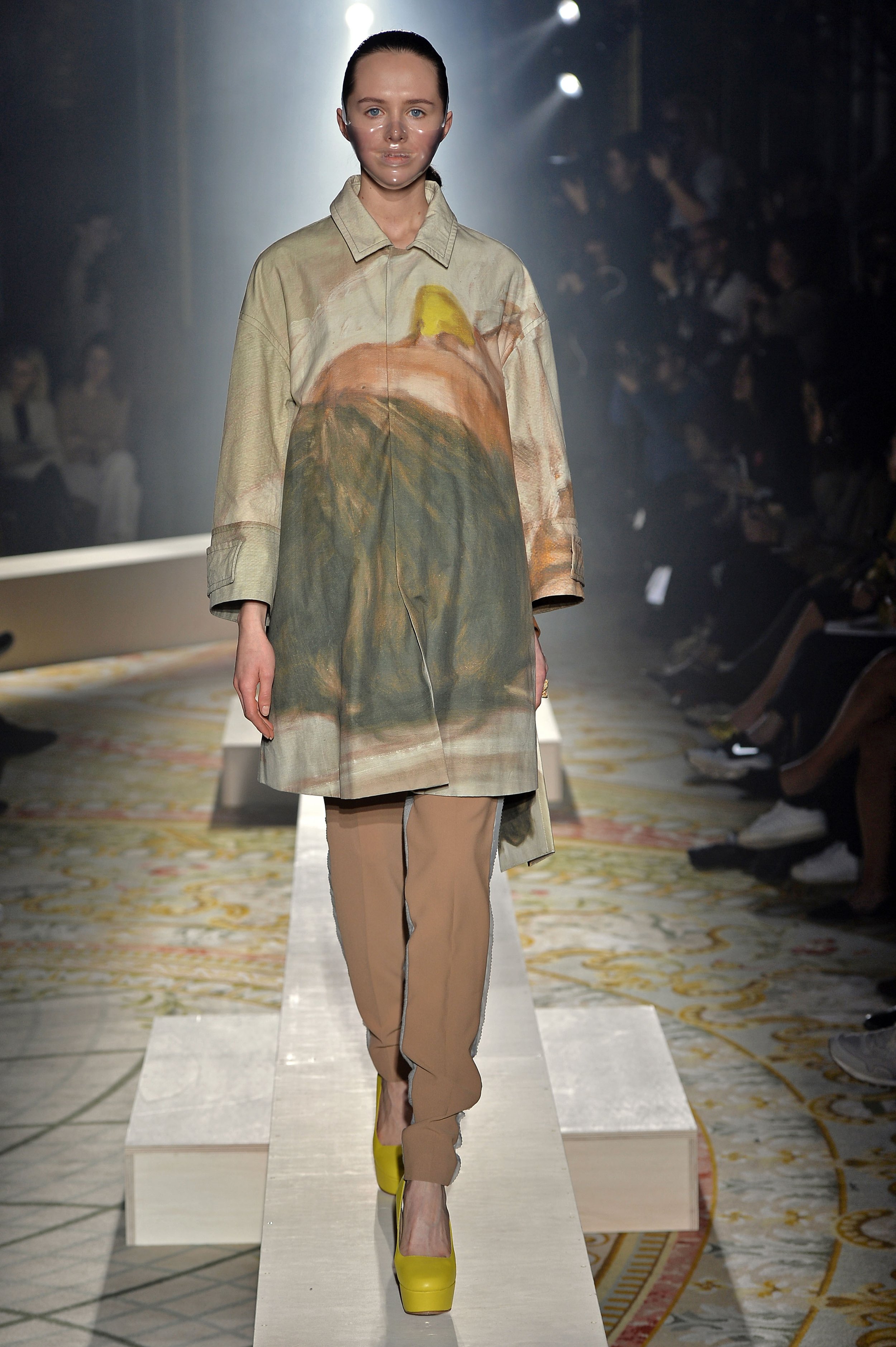
UNDERCOVER Artist collaborations 2015-2016A/W WOMEN’S Michaël Borreman, photo: Valerio Mezzanotti / NOWFASHION.
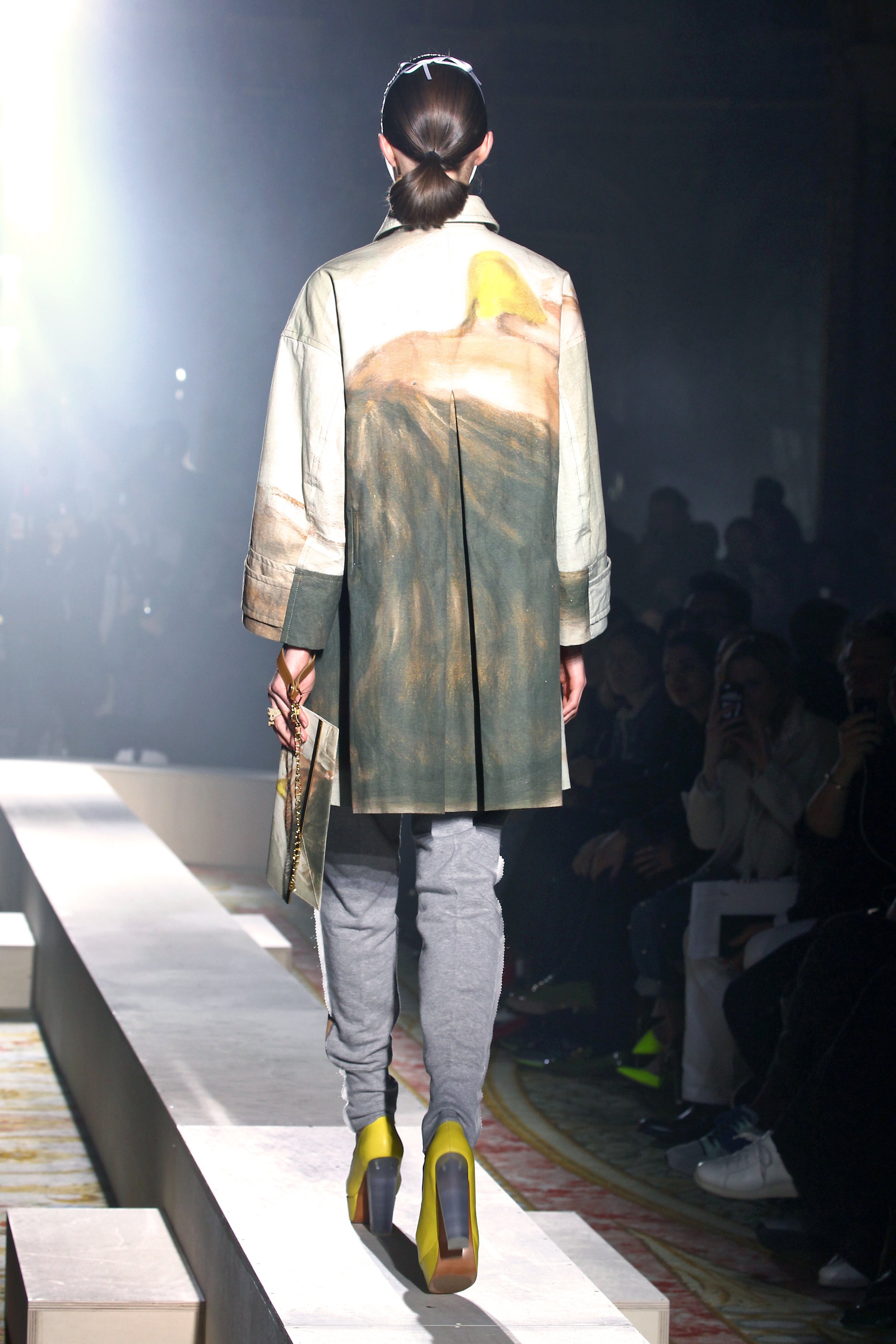
UNDERCOVER Artist collaborations 2015-2016A/W WOMEN’S Michaël Borreman, photo: Valerio Mezzanotti / NOWFASHION.
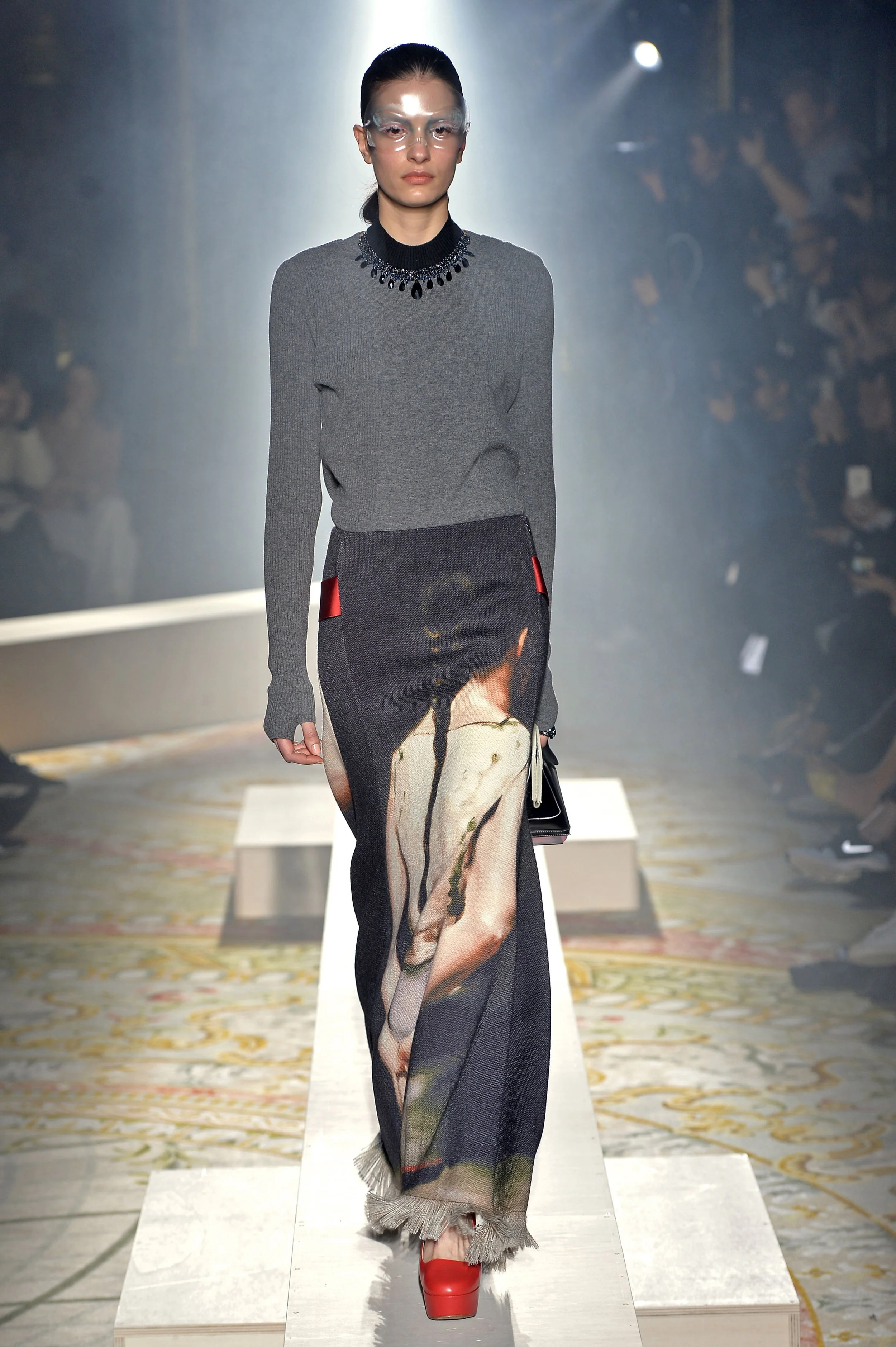
UNDERCOVER Artist collaborations 2015-2016A/W WOMEN’S Michaël Borreman, photo: Valerio Mezzanotti / NOWFASHION.
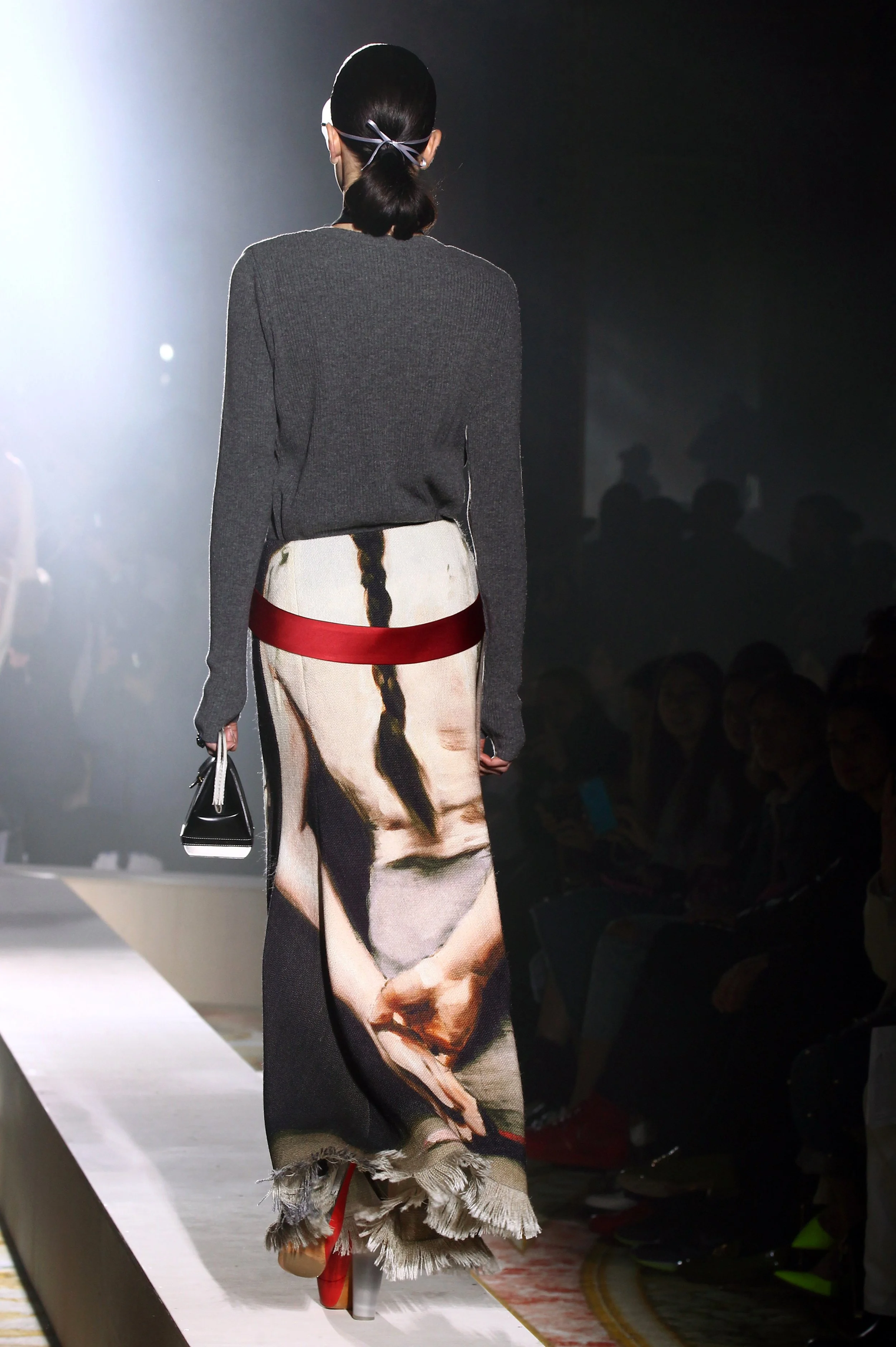
UNDERCOVER Artist collaborations 2015-2016A/W WOMEN’S Michaël Borreman, photo: Valerio Mezzanotti / NOWFASHION.
LŠ: How do artists’ collaborations influence different collections?
JT: By incorporating artists’ works into garments through prints or embroidery, the visual and graphic impact becomes extremely strong.
LŠ: Fashion sits at the most intimate scale of art and body. With the ongoing active partnerships between visual arts disciplines with fashion, I wanted to stop at your collaboration in 2009 (Pitti Uomo) with Dieter Rams and Wim Wenders. How did the collaboration initially take shape and how did the conversations develop with the artists?
JT: Dieter Rams represents minimal industrial design, and Wim Wenders focuses on everyday life. I created a collection inspired by their perspectives, centered around themes of daily life.
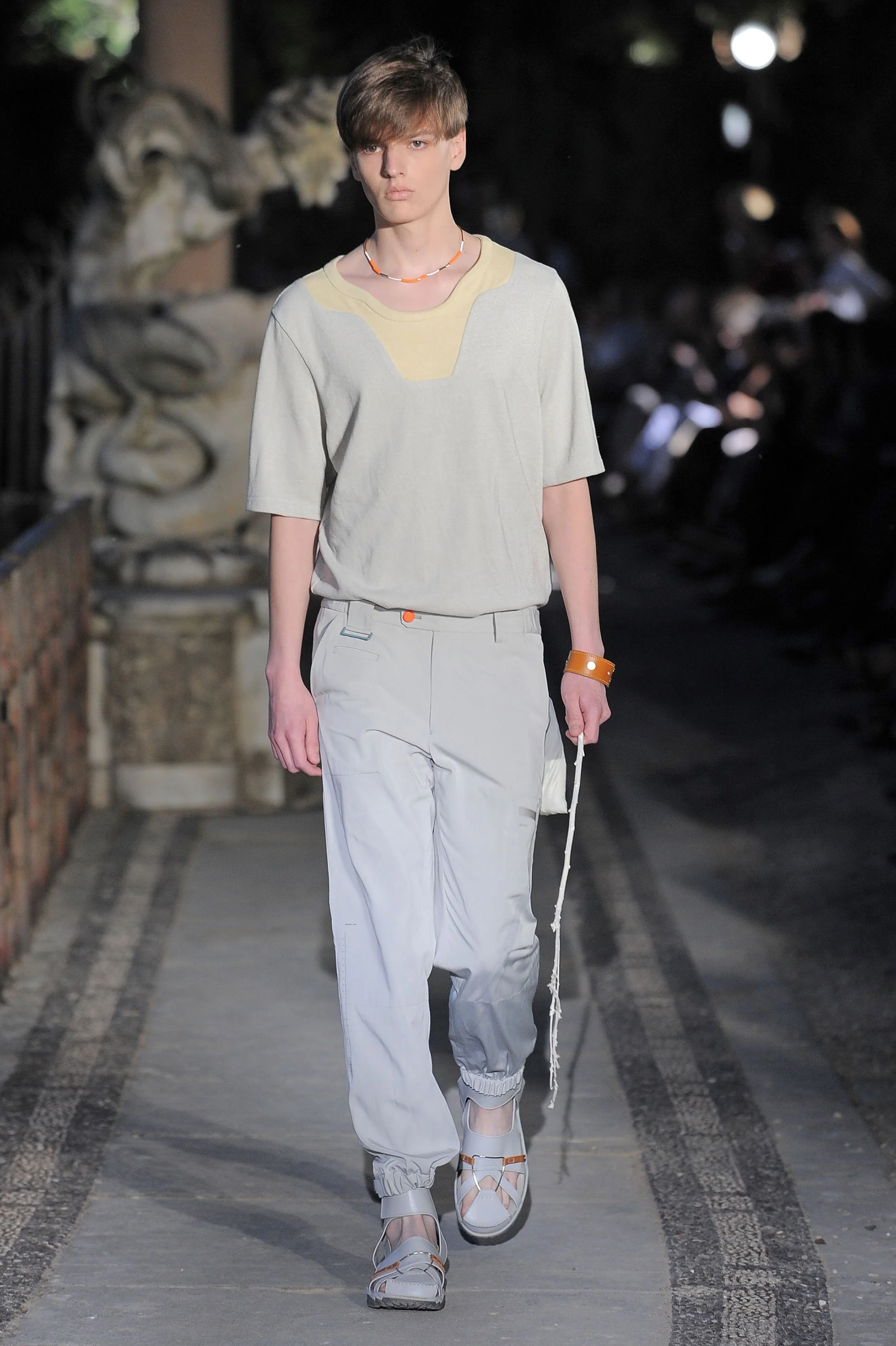
Dieter Rams collaboration, Courtesy of UNDERCOVER.
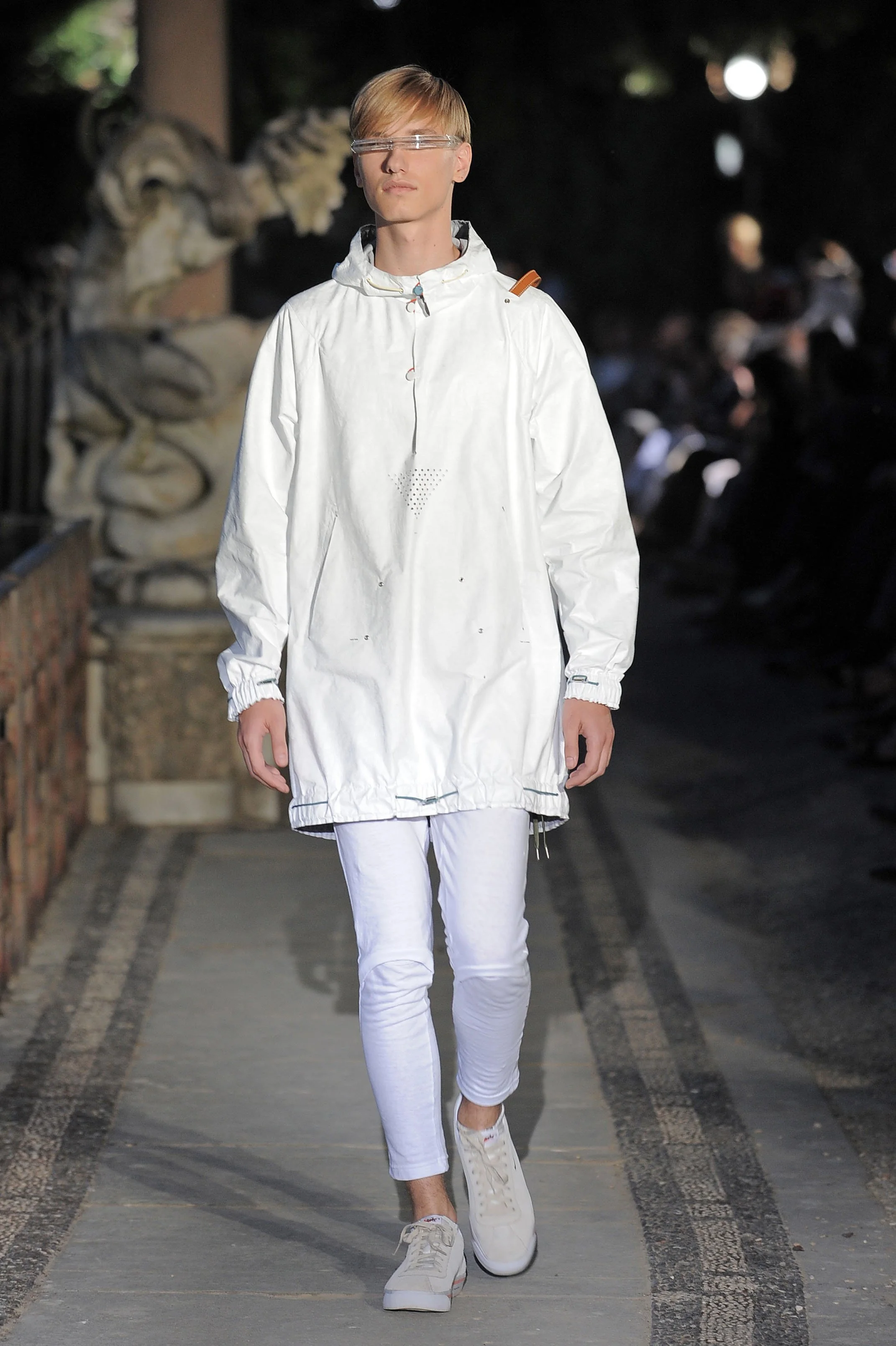
Dieter Rams collaboration, Courtesy of UNDERCOVER.
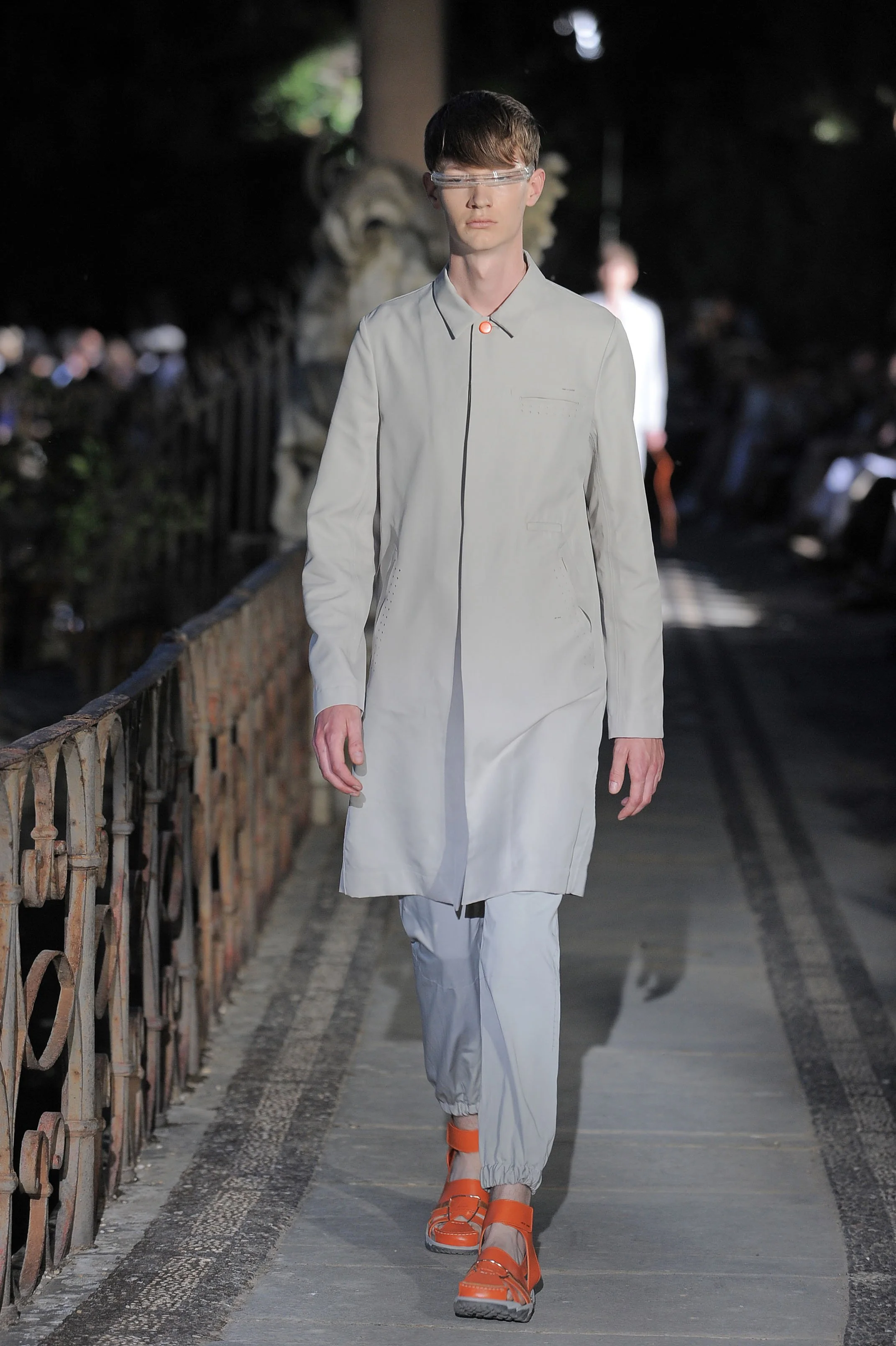
Dieter Rams collaboration, Courtesy of UNDERCOVER.
LŠ: Perhaps what is less known of your practice is your editorial work, which took shape during the period of running your cult shop Nowhere in Tokyo with fellow designer NIGO. Where you took over Hiroshi Fujiwara’s column and renamed it Last Orgy 2. Perhaps we could first discuss the new name and how did you want to shape the column?
JT: When NIGO and I were in high school, we were huge fans of the information page LAST ORGY, which was written by Hiroshi Fujiwara and Kan Takagi. At the time, we were students at Bunka Fashion College and consulted fashion designer Hitomi Okawa of MILK, asking if we could do a similar information-based column. She introduced us to a magazine editorial team, and the column began. The content focused on things we were interested in at the time or recommended items we had purchased, including clothing, electronics, music, and more, as well as reports on our latest activities. After several installments, Fujiwara and Takagi, whom we had already come to know, invited us to take over the column as LAST ORGY 2, which is how it started.
LŠ: How did the writing practice shape your collection and also the direction of the shop?
JT: When the column began in the early 1990s, the internet was not yet widespread, and magazines were the main source of cultural information for young people. By sharing the latest updates about our shop and collections every month through the column, we gained overwhelming support from readers, and long lines formed daily at our shop NOWHERE.
LŠ: Undercover also saw expansion to furniture, for example the Anarchy Chair (2006) was produced with Tendo Mokko, known for its evolution of plywood technology. Are there any other designs currently in preparation?
JT: I am currently working on a furniture collaboration with the French artist William Guillon.
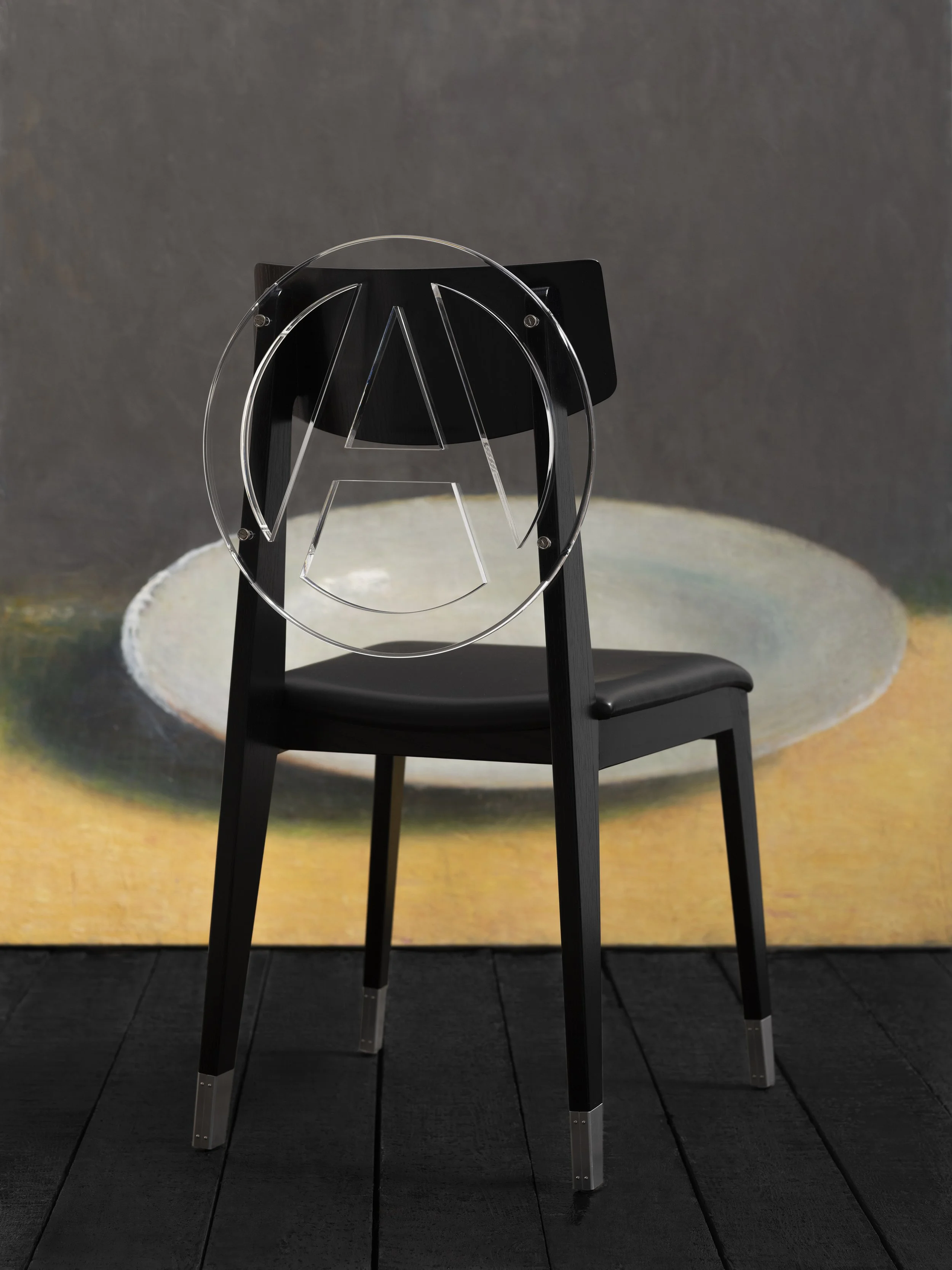
Anarchy Chair, Photo: ©taromizutani. Courtesy Undercover.
LŠ: In 2024, you opened the exhibition of paintings under the title Peaceable Kingdom at WKM Gallery. The title was inspired by Patti Smith, and the show presented surrealist-inspired figures. Could you share with us the story behind the exhibition?Additionally, we would love to hear about your current third solo exhibition, MY CHILDREN BORN ON THE OTHER PLANET.What concepts or experiences shaped this new body of work, and how does the process differ from your previous exhibitions?
JT: When it comes to painting, I draw inspiration from many different artists. I have always loved drawing and looking at art. The exhibition Peaceable Kingdom, held at WKM Gallery in 2024, expresses my inner conflicts. It reflects both my anger towards today’s unstable world and my sincere longing for peace. For me, painting is a completely different form of creation from fashion. The process itself is also entirely different. Fashion design is a team-based system that involves many people and leads to mass production, whereas painting is something I create entirely on my own, from start to finish. Each work is a one-of-a-kind piece. In that sense, they are fundamentally different creative practices.
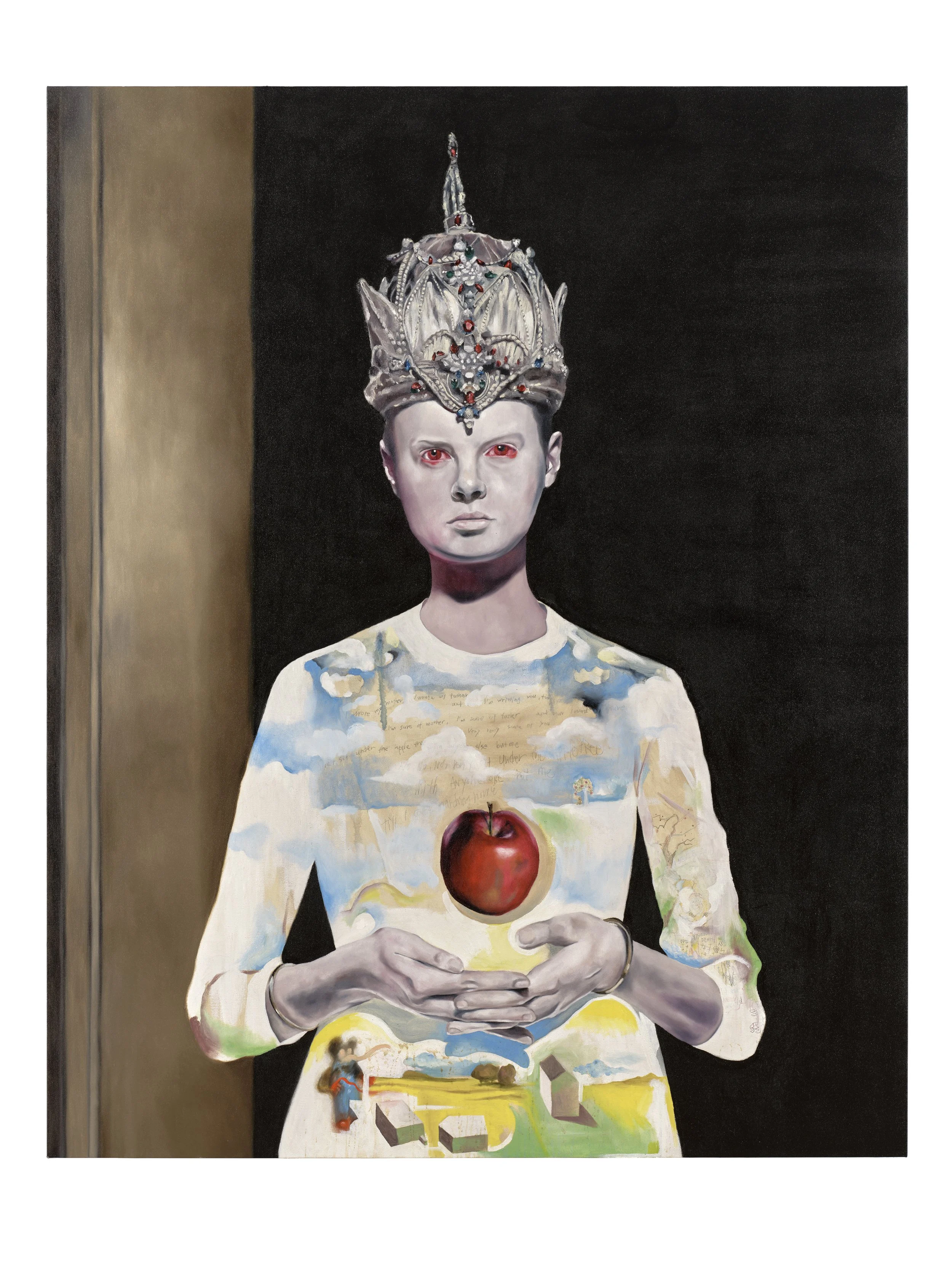
Don't Sit Under the Apple Tree I, oil on canvas, 2025, 162 × 130cm (*Inspired by the FW14 collection). Courtesy Jun Takahashi. (exhibition: MY CHILDREN BORN ON THE OTHER PLANET)
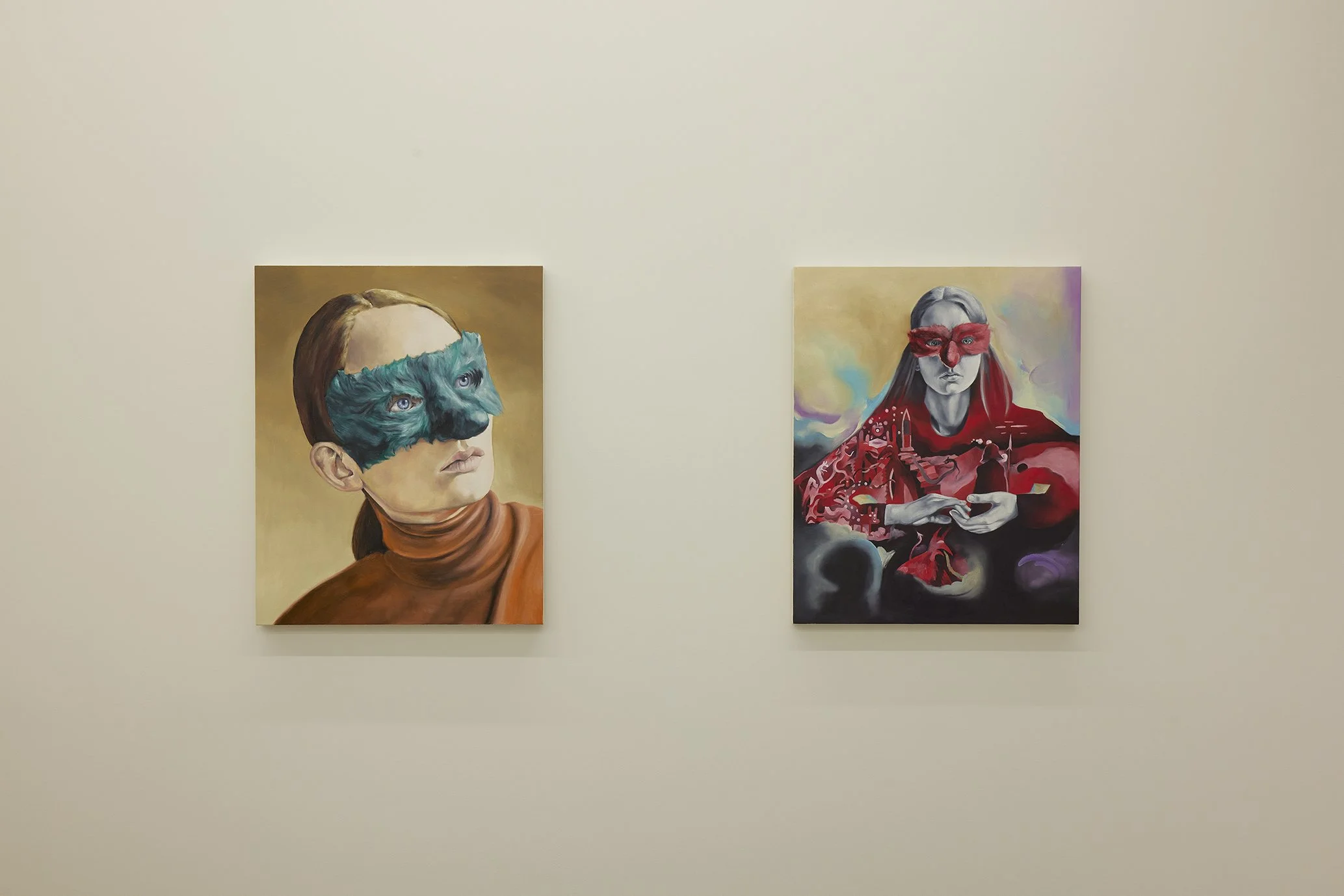
Installation view of Peaceable Kingdom at WKM Gallery, 2024. Courtesy Jun Takahashi.
The concept of my third solo exhibition, MY CHILDREN BORN ON THE OTHER PLANET, is inspired by the imagery from past runway shows I designed and created for UNDERCOVER. The characters that appeared in those shows—each expressing different themes and designs every season—are, in a way, like my own children, born on different planets. Even after the shows ended and they left my hands, I imagine that each of them continues to live a life of their own. Through the paintings in this exhibition, I hope viewers can sense those stories—the lives of my children.
LŠ: I believe I read in your other interviews that you like to keep artistic and fashion practice separate - why?
JT: Fashion design is teamwork and business, while art is an individual creative practice. Because of this, they require entirely different approaches, mindsets, and processes.